Pink Elephant

The Resource Library

About us

Explore our ITSM Resources Library for insights on improving your IT services and enhancing efficiency. From in-depth articles and guides to practical frameworks and best practice advice, our library brings together the knowledge of Pink Elephant's consultants and thought leaders, all in one place. Whether you are looking to deepen your understanding of ITIL, explore Agile and DevOps, or stay up to date with the latest in ITSM, use the filters below to find exactly what you need.
ITSM insights

How to get more value from your IT service delivery

Anton Fourie | Director Africa

Anton Fourie, Director Africa at Pink Elephant, shares his perspective on where organisations can reduce unnecessary costs, why a tailored approach matters, and how the right ITSM strategy can transform the service experience.

Webinar

Technical Readiness vs Hearts and Minds

With Adam Poppleton and Nektaria Kriketou

Most change programmes get judged twice: did it work, and did anyone actually want it?

Webinar

ITIL® Version 5, AI and operating models

With Nektaria Kriketou, Richard de Boer and Roman Zhuravlev

AI is moving faster than most operating models can follow. How ITIL 5 keeps strategy, technology and people connected.

Webinar

Service excellence: not a given

With Sam Smith, Head of Managed IT Services

Closing tickets quickly is not the same as being a partner. What it takes to move support past the transactional.

Webinar

Embracing SIAM: from supplier management to end-to-end service integration

With Richard de Boer

Working with multiple suppliers blurs ownership and accountability. How SIAM restores one line of sight across the whole chain.

Resource

Lifecycle Versus Capability

Lifecycle vs Capability: What’s the Difference in ITIL Certification? In ITIL, the Lifecycle and Capability streams offer different perspectives for IT service management professionals. While both cover important material, the Lifecycle stream focuses on managing IT processes, offering a high-level overview of ITIL phases like Service Strategy, Service Design, and Service Transition. On the other…

Read more
Guide

ITIL 4: An Introduction to IT Service Management

What is ITIL? ITIL (formerly known as the Information Technology Infrastructure Library) is the most widely adopted framework for IT Service Management (ITSM) across the globe. It provides a cohesive set of best practices, gathered from both public and private sectors internationally, to help organisations manage IT services efficiently and effectively. History of ITIL ITIL…

Read guide
Guide

SAM Organisation Roles

Software Asset Management (SAM): Organisation Roles and Responsibilities

Primary Roles in SAM Management SponsorSenior management sponsorship is vital for the success of SAM. Securing support from both business and IT management ensures visibility, resource allocation, and budget for SAM initiatives. Maintaining this sponsorship over time is essential to cultivate a culture that enables the SAM processes to thrive. Director with Legal ResponsibilityA director…

Read guide
Article

Software Asset Management

What is Software Asset Management (SAM)?

SAM is generally more complex and demanding than hardware asset management because it encompasses licensing, compliance, legal risks, and financial management. Effective SAM processes and systems should be comprehensive and able to handle both software and hardware asset management. Explore All Our IT Support Services The Importance of SAM SAM is essential for several reasons:…

Read article
Resource

Continual Service Improvement

Continual Service Improvement (CSI) in IT Organisations

CSI spans the entire Service Lifecycle, from Service Strategy through Service Operation, ensuring that improvement is embedded in every stage of developing and delivering IT services. Objectives of CSI The primary objectives of CSI include: Review, Analyse, and Prioritise Improvement OpportunitiesCSI evaluates improvement possibilities at every stage of the ITIL v3 lifecycle: Service Strategy, Service…

Read more
Video

What is a PinkScan?

ITSM Maturity Assessment

The PinkScan Maturity Model Think Process performance, think Pink. Let Pink Elephant analyse the maturity of any number of your ITSM Processes with PinkScan, the only independent and objective assessment service of its kind. PinkScan uses a maturity scale of 1-5, based on the Capability Maturity Model developed by the Carnegie Mellon Software Engineering Institute.…

Read more
Article

Cloud Service Management

Cloud Service Management focuses on integrating cloud computing with service management, promoting best practices among customers, consumers, and suppliers. It bridges the gap between cloud computing concepts and effective service management. Professional Cloud Service Manager Training Cloud computing is not a new concept—its principles date back to the 1950s and 1960s with the use of…

Read article
Article

ITIL Service Design

ITIL Service Design ITIL Service Design focuses on creating and developing IT services and their corresponding processes to ensure they meet business requirements. It plays a critical role in the IT service lifecycle by bridging business needs with IT solutions. The Service Design phase begins by addressing new or updated business requirements and culminates in…

Read article
Article

Prince2: An Introduction

What is PRINCE2®?

In 2013, the ownership of PRINCE2 was transferred from HM Cabinet Office to AXELOS Ltd, a joint venture between the Cabinet Office and Capita. PRINCE2 separates the management aspects of project work from specialist activities like design and construction. It provides a robust framework that can be integrated with any type of project, ensuring secure…

Read article
Article

Facilities and Data Centre Management

In the context of IT Service Management (ITSM), Facilities Management refers to managing the physical environments that support IT operations, typically located in data centres or server rooms. Effective Facilities Management is crucial for ensuring operational efficiency, security, and compliance. Key Components of Facilities Management: Building Management: Ensures the maintenance and upkeep of buildings housing…

Read article
Guide

Server Management

Businesses rely heavily on their server infrastructure for key IT functions such as data storage, website hosting, email, and applications. Effective server management is crucial for ensuring smooth Service Operation and optimising performance. Explore All Our IT Support Services Key Server Management Activities The following activities must be undertaken by the server team(s) or department(s)…

Read guide
Article

Benefits of a flexible workforce

Since our founding in 1980, Pink Elephant has been a trusted provider of high-quality IT personnel for contract positions. While we continue to deliver exceptional temporary IT resources, the landscape driving demand for contingent staffing has evolved. In the past, businesses primarily relied on temporary workers to cover short-term gaps, such as employee sick leave…

Read article
Guide

ITIL Service Design Principles

ITIL Service Design

Read more: Service Lifecycle One accurate information has been obtained on what is required and signed off, with regard to the changing needs of the business, the plan for the delivery of a service to meet the agreed need can be developed. The role of the Service Design stage within this overall business change process…

Read guide
Article

What Is IT Service Management?

Organisations use IT to:

Case Study: ITSM Transformation for Top Educational Institution That is what the practice of IT Service Management is about: what Service Management is, we need to understand what services are, and how service management can help service providers to deliver and manage these services. “A service is a means of delivering value to customers by…

Read article
Guide

Implementing an ITSM Tool

Implementing an ITSM Tool: More Than Just Buying Software Implementing an IT Service Management (ITSM) tool involves more than purchasing software off the shelf or subscribing to a SaaS solution. Before investing in an ITSM tool, it’s essential to consider several factors to ensure the solution truly supports your business. PinkSELECT™ ITSM Tool Selection Support …

Read guide
Guide

Service Operation

Key Components of Service Operation Service Operation encompasses the processes, functions, organisation, and tools necessary to ensure the seamless delivery and support of IT services. These components include: The services themselves: Service Operation manages day-to-day activities that form part of a service. These activities can be performed by the service provider, an external supplier, or…

Read guide
Article

Service Transition

The Service Transition stage of the lifecycle ensures that new, modified or retired services meet the expectations of the business as documented in the Service Strategy and Service Design stages. The objectives of this stage are to plan and manage service changes efficiently and effectively; manage risk related to new, changed or retired services; successfully…

Read article
Guide

ITIL Service Strategy

A Service Strategy must provide:

Read guide
Article

Service Level Management (SLM)

Why Service Level Management?

Service Level Agreements (SLA), which are managed through the SLM process, provide specific targets against which the performance of the IT organisation can be judged. Goal for SLM The goal for SLM is to maintain and improve IT Service quality, through a constant cycle of agreeing, monitoring and reporting upon IT Service achievements and instigation of…

Read article
Article

Escalation Management

Escalation management

Telephone pick-up times In many cases, organisations to have customers’ telephone calls picked up within a specific number of rings (e.g. 3-10).  The decision you make on the value set is dependent on the resources that you have available. However, the expected pick-up time should be clearly communicated to customers and Users. The provision of…

Read article
Guide

Capacity Management Process

The sub-process 

Business Capacity Management: This sub-process is responsible for ensuring that the future business requirements for IT Services are considered, planned and implemented in a timely fashion. This can be achieved by using the existing data on the current resource utilisation by the various services to trend, forecast or model the future requirements. These future requirements come from…

Read guide
Guide

Configuration Management Database – CMDB

Configuration Management Database

Definitions of planned Releases, including the constituent hardware and software CIs together with a reference to the original Change requests Records of the CIs impacted by planned and past Releases, covering both hardware and software Information about the target destination for the Released components (e.g. the physical location for hardware and the servers that will receive…

Read guide
Resource

Availability Management

Why Availability Management?

The importance of the Availability of IT to the success of the business has never been more apparent. Over the years the interdependency between the business process and the IT operation has developed to the point where quite simply if the IT stops, then the business stops. This importance in supporting the business should also be…

Read more
Resource

PRINCE2 Principles

The PRINCE2 Principles originate from lessons learned from projects in the past.

Book a Course: Prince2 Foundation The seven PRINCE2 Principles are: Continued business justification: A PRINCE2 project must at any time have continued business justification.  This means that there is a justifiable reason to start a project, this reason remains valid throughout the life of the project and the justification is documented and approved. The justification is…

Read more
Guide

Service Catalogue

A service catalogue is an organised and curated collection of any and all business and information technology-related services that can be performed by, for, or within an enterprise. Service catalogues act as knowledge management tools for the employees and consultants of an enterprise, allowing them to route their requests for and about services and services related topics…

Read guide
Guide

Financial Management and IT Services

IT Services are usually viewed as critical to the business or organisation. The increases in user numbers, demands for new technologies and complexities of client-server systems have frequently caused IT Services costs to grow faster than other costs. As a result, organisations are often unable or unwilling to justify the expenditure to improve services or…

Read guide
Guide

IT Operations Management

IT Operations Management role

Console Management, which refers to defining central observation and monitoring capability and then using those consoles to exercise monitoring and control activities Job Scheduling, or the management of routine batch jobs or scripts Backup and Restore on behalf of all technical and Application Management teams and departments and often on behalf of users Print and output…

Read guide
Resource

Fault Management

The International Standards Organisation’s (ISO) Open Systems Interconnection (OSI) management framework defines five specific Systems Management Functional Areas (SMFAs) for the management of ICT systems, often referred to as FCAPS from the initial letter of each management area. Fault Management (ISO) is the process of Operations that is concerned with the detection of (Potential) Faults,…

Read more
Guide

Five Top Tips: Change Advisory Board (CAB)

CAB Meetings – 5 Tips on how to run them so attendees don’t dread it

So why do so many organisations I visit view the CAB meeting with the same level of enthusiasm as a trip to the dentists? Boring, unpleasant and quite possibly painful to boot! I have a few suggestions for those Change Managers who are expected to chair these meetings to ensure that they run a little…

Read guide
Resource

Application Management

Application Management Role:

It is the custodian of technical knowledge and expertise related to managing applications. In this role Application Management, working together with Technical Management ensures that the knowledge required to design, test, manage and improve IT services is identified, developed and refined. It provides the actual resources to support the ITSM Lifecycle. In this role, Application…

Read more
Resource

ITIL 4 High-Velocity IT Techniques

Here is a list of all of the techniques by objectives:

IaC also contributes to the resilient operation’s objective because, when IaC is used, a suspect environment can be rapidly reconfigured to the specified state. This quality is called idempotence and is key to IaC. Techniques are applied in the context of multiple ITIL management practices, and IaC can be used in seventeen of them. One…

Read more
Guide

IT Technology Infrastructure Library

What is ITIL? | A Guide to the IT Infrastructure Library The Information Technology Infrastructure Library (ITIL) is the most widely accepted framework for IT service management (ITSM) across the globe. ITIL provides a set of best practices aimed at aligning IT services with the needs of the business, ensuring efficient service delivery and adding…

Read guide
Guide

Application Management Organisation

Application Management Overview Although all Application Management departments, groups, or teams perform similar activities, each application or set of applications has its own distinct management and operational requirements. Key differences include: The purpose of the application:Each application is developed to fulfil specific objectives, usually aligned with business goals. For effective support and improvement, the team…

Read guide
Article

IT Middleware Management

Middleware Overview: Middleware is software designed to connect or integrate software components across distributed or disparate applications and systems. Its primary role is to enable effective data transfer between applications, making it a critical component for services that rely on multiple applications or data sources. Technologies that support programme-to-programme communication include: Object Request Brokers (ORBs)…

Read article
Guide

Questions You Need to Ask About Your Change Management Process

When implementing a Change Management process, I often encounter the belief that simply selecting a service management toolset will magically instil service management discipline within an organisation. While a great toolset can certainly help you communicate more efficiently with your colleagues, it doesn’t inherently solve the core process challenges. What’s most important is knowing what…

Read guide
Article

Human Resource Management

The Strategic Role of Modern Personnel Policy Personnel policy plays a key strategic role in achieving long-term organisational goals. It can also reshape corporate culture. Modern personnel management, or Human Resource Management (HRM), aims to optimise employee performance by focusing on recruitment, training, development, and reward systems. HRM operates under two key premises: Aligning personnel…

Read article
Guide

Lean Transformation

Lean Transformation Project: Integrating Kotter’s Change Model Within organisational improvement, one of the most prominent frameworks for managing change is the Kotter Model. Developed by John Kotter, this model breaks down change management into an eight-step process, helping organisations navigate through transformation. When applied in Lean Transformation projects, the Kotter model offers a structured path…

Read guide
Case Study

Outsourcing Your IT Service Desk

Outsourcing Your Service Desk: Still a Viable Option As business users’ expectations for technical support grow, outsourcing service desks has become a practical solution for cost control and enhanced support. Over the years, there’s been a trend to outsource technical support to offshore locations like Asia and Eastern Europe. However, dissatisfaction is rising due to…

Read case study
Guide

Software Licence Management

A Comprehensive Guide to Software Licensing Software licensing is crucial for managing and complying with terms set by software manufacturers. A licence governs the right to use software, separated from ownership, and can be perpetual, temporary, or subscription-based. Key factors include: Licence Types: Per copy, server-based, concurrent usage, or client access. Proof of Licence: Required…

Read guide
Guide

Seven PRINCE2 Themes

The seven PRINCE2 themes are critical elements a Project Manager must continually consider to ensure a project’s success. These themes include business case, organisation, quality, plans, risk, change, and progress. Each theme is interconnected and provides a framework to address various aspects of project management. The strength of PRINCE2 lies in its ability to tailor…

Read guide
Article

Supplier Management

Supplier Management in IT Service Management (ITSM) Supplier Management ensures that suppliers and the services they provide are effectively managed to meet IT service targets and business expectations. This process is vital to maintaining value for money and ensuring that supplier performance aligns with the agreed terms and conditions in contracts. Key objectives include managing…

Read article
Guide

ITIL 4 Managing Professional Certification Stream

ITIL 4 Managing Professional Certification Stream: Your Path to ITSM Mastery The ITIL 4 Managing Professional stream offers IT service management professionals a robust pathway to deepen their expertise beyond the Foundation level. This stream consists of four certifications, each focusing on critical aspects of ITSM: ITIL Specialist – Create, Deliver & Support: Tailored for…

Read guide
Article

Ten ITIL 4 Benefits for Organisations

10 Improvements that ITIL 4 Can Provide:

ITIL 4 FoundationGain a holistic view with ITIL 4 Foundation and: Move your organisation to a value-driven mindset to deliver products and services that enhance stakeholder outcomes Apply the new ITIL 4 service value system and end-to-end operating model to create, deliver, and continually improve tech-enabled products and services ITIL 4 Specialist – Create, Deliver & Support Get a…

Read article
Guide

Service Desk KPIs and Metrics: A Guide

Establish the Right ITSM Metrics for Your Team and Business ITSM metrics and KPIs are essential for aligning your service desk with both team goals and broader business objectives. Choosing the right metrics ensures operational efficiency and business success, yet many teams struggle to pinpoint the most impactful KPIs. In creating an effective metrics portfolio,…

Read guide
Guide

Technical Management in ITSM

Technical Management in IT Service Management (ITSM) Technical Management in ITSM refers to the departments or teams that manage an organisation’s IT infrastructure, ensuring that technical knowledge, resources, and skills are available to support the business. It plays a critical dual role: acting as the custodian of technical expertise and ensuring resources are efficiently deployed…

Read guide
Article

Outsourcing IT Services

Outsourcing Your Service Desk: Key Considerations Outsourcing IT Service Desk support has become an increasingly viable option for businesses looking to streamline costs while enhancing customer service. As businesses seek lower-cost channels and global solutions, many opt to outsource service desks, often offshore, to reduce costs. However, offshore outsourcing comes with challenges such as high…

Read article
Article

Benefits of Agile Project Management

Agile Methodology vs. Traditional Development: Which is Right for You? The Agile methodology is rapidly becoming the go-to approach for managing projects, offering organisations greater adaptability in a fast-changing market. Unlike traditional methods like Waterfall, Agile promotes continuous feedback, flexibility, and quicker value delivery. This iterative model involves methodologies such as Scrum, Kanban, and Lean,…

Read article
Article

Industry Challenges in Claims Management

Understanding the challenges in Claims Management is the first step towards determining the means to meet them. The South African industry shares many of the global issues in claims management but has a few challenges of its own – such as meeting TCF regulation. Service provision is an important part of the process and a…

Read article
Article

IT Release Management

IT Release Management: Ensuring Seamless Rollouts IT Release Management plays a crucial role in managing the deployment of hardware and software in a distributed environment, ensuring minimal disruption and operational efficiency. Its primary goals include planning, overseeing rollouts, and securing traceability of software and hardware changes. This process integrates Change Management and Configuration Management to…

Read article
Resource

ITIL 4 Foundation Exam: Key Insights

The ITIL 4 Foundation Exam

Taking the ITIL 4 Foundation Exam There are two ways to take the course – either through online self-paced learning or a two-day in-class or online structure. Our two-day course provides crucial in-depth knowledge about ITIL 4’s new approach that includes a holistic end-to-end picture that integrates frameworks such as Lean IT, Agile, and DevOps. The ITIL 4…

Read more
Video

Lean IT Kaizen Helps Your Organisation Thrive

Lean IT: Driving Continuous Improvement in IT Lean IT originated from Lean manufacturing principles, particularly the Toyota Production System, and focuses on applying continuous improvement to IT services. The core concept of Kaizen, which means “change for the better,” encourages small, incremental improvements to solve problems efficiently. Lean IT uses tools like Value Stream Mapping,…

Read more
Guide

IT Service Management Guide for Remote Workforce Enablement

IT Service Management Guide: Enabling a Remote Workforce

Key Considerations for Remote Workforce Enablement: Self-Service Portals: Empower employees with an easy-to-use self-service portal, offering access to knowledge bases, service requests, and troubleshooting resources. Self-service reduces dependence on IT support, enabling quicker issue resolution. Automation: Automate repetitive tasks like password resets and system status updates, allowing IT teams to focus on higher-value tasks. Automation…

Read guide
White Paper

ITSM Self-Service Whitepaper

Redirect: https://pinkelephant.co.uk/library/key-capabilities-of-an-effective-self-service-portal/

Read white paper
Case Study

IT Service Improvement Case

Redirect: https://pinkelephant.co.uk/about/case-studies/

Read case study
Article

An Effective Self-Service Portal

To optimise IT self-service, it’s crucial to have a well-designed portal that’s easy to access and navigate. Around 60% of issues can be resolved through self-service, reducing the need for email and phone support. Essential features include: Automation: Enables workflow creation without coding, simplifying incident management. Multiple Portals: Integration for HR, facilities, etc., providing a…

Read article
Guide

Outsourcing IT Services

When outsourcing IT support services, it’s important to consider two key factors that often lead to dissatisfaction: offshore service desks and providers whose focus is primarily on technical solutions, rather than service delivery. Offshore outsourcing can negatively impact customer satisfaction due to issues like cultural differences, language barriers, and high staff turnover. Additionally, providers focused…

Read guide
Article

ITIL 4 Specialist: Drive Stakeholder Value – The Seven Steps of the Customer Journey

ITIL 4 Specialist: Drive Stakeholder Value

It’s crucial to know what your customers want and need – and to deliver that value as effectively, efficiently, and rapidly as possible. That’s why it’s essential to not just create and deliver well-managed IT-enabled services, but to also develop and sustain strong relationships with all internal and external stakeholders. The ITIL® 4 framework, particularly…

Read article
Article

Agile: A Mindset as Well as a Framework

Agile Service Management involves adapting Agile and Scrum principles to IT Service Management (ITSM) processes, with a focus on improving flexibility and efficiency. The Agile Manifesto, often seen as contradicting ITSM practices, actually complements them by emphasising “just enough” processes and tools for successful outcomes. Both Agile and ITSM prioritise customer satisfaction and early value…

Read article
Guide

Nine Considerations for Licensing a New ITSM Solution

Considerations:

A named licensing model is inflexible and expensive and costs can add up quick if usage increases or your organisation grows. 2) End-User LicensingWill business users require a license to access the self service portal and the knowledge base? According to Gartner, on average, end-users contact the IT service desk once a month, and if…

Read guide
Article

What is Agile Scrum?

In today’s competitive global environment, organisations need a winning strategy, which is where Agile comes into play. Agile is a mindset that focuses on people, collaboration, and flexibility, with Scrum as a framework for applying these principles. The Scrum Master, akin to a rugby coach, leads teams by facilitating, mentoring, and ensuring Scrum processes are…

Read article
Guide

Service Catalogue Perspective: Know What You Want

Optimising Your IT Service Catalogue A well-structured IT service catalogue is key to aligning IT services with business goals, raising transparency, and improving communication. Many organisations seek to implement one, recognising the value it brings—but understanding what a service catalogue truly offers and how it benefits different stakeholders is critical for success. Explore: Service Catalogue…

Read guide
Article

IT Service Continuity Management

IT Service Continuity Management (ITSCM) is a vital part of business continuity. In today’s technology-driven world, ITSCM plays a crucial role in ensuring that organisations can continue delivering essential services during disruptions, from minor system failures to complete site outages. ITSCM is a key component of Business Continuity Management (BCM), focusing specifically on the IT…

Read article
Article

Digital Transformation Introduction

Part 1: Respond, Recover, Reimagine In 2020, the global pandemic triggered a significant shift in the way organisations operate, forcing them to pause and rethink their strategies. The pandemic halted industries and exposed weaknesses in business operations, particularly in the reliance on outdated technologies. As companies navigate the post-pandemic world, digital transformation, focusing on agility…

Read article
Article

Digital Transformation: Part 1 – Respond, Recover, Reimagine

Introduction Part 2: Uncertainty and Change As organisations emerge from the challenges of COVID-19, the focus now shifts to preparing for future disruptions like pandemics and geopolitical events. By leveraging digital transformation across the stages of ‘Respond, Recover, Reimagine’, businesses can enhance resilience, agility, and competitiveness. Initial efforts have centred on operational continuity, but to…

Read article
Article

Digital Transformation: Part 2 – Uncertainty and Change

Part 1: Respond, Recover, Reimagine Part 3: Positive First Steps Many organisations have long-term visions but often lack clear strategies to achieve them. Even without an aligned IT strategy, technology teams must continue to progress by improving processes and adopting new technologies, using frameworks like ITIL’s ‘Plan, Do, Check, Act’. However, long-term plans are increasingly…

Read article
Article

Digital Transformation: Part 3 – Positive First Steps

Part 2: Uncertainty and Change Part 4: Anticipated Benefits If your organisation claims to be advancing its digital strategy but you’re not feeling the increased workload, something may be off. A successful digital transformation starts with visible senior leadership and HR engagement, discussing cultural shifts and new ways of working. Training investments and potential disruptions…

Read article
Article

Digital Transformation: Part 4 – Anticipated Benefits

Part 3: Positive First Steps Part 5: Before Making Cuts Is your company seeing the tangible benefits of Digital Transformation? Although it’s been a key business agenda item for years, expecting immediate results from digital investments within the same financial year isn’t always realistic. Different departments often define digital strategy differently—from social media and cloud…

Read article
Article

Digital Transformation: Part 5 – Before Making Cuts

Part 4: Anticipated Benefits Part 6: Cost Optimisation As businesses face revenue shortfalls, many will need to revisit their costs and make budget cuts for 2021. While it’s tempting to cut high-cost items like staffing or vendor contracts, it’s critical to fully understand the impact these decisions will have. Cost reduction should be balanced with…

Read article
Article

Digital Transformation: Part 6 – Cost Optimisation

Part 5: Before Making Cuts Part 7: Restarting In the post-Covid landscape, organisations are revisiting survival strategies while positioning for future competitiveness. The pandemic highlighted technology’s crucial role in business continuity and transformation, with an increased focus on how tech and data capabilities drive performance. Now, businesses must unify IT and operational functions, rethink their…

Read article
Article

Digital Transformation: Part 7 – Restarting

Part 6: Cost Optimisation Part 8: Necessary Disruption Organisations are strategising for survival and future competitiveness, offering a prime opportunity for IT to lead business transformation. With a renewed focus on the value of technology—especially in light of Covid-19 disruptions—leaders can now restart paused transformation programmes. The goal is to unite business and IT functions,…

Read article
Article

Digital Transformation: Part 8 – Start With People

Part 7: Restarting Part 9: A Necessary Disruption Digital transformation starts with people, not technology. For success, it’s crucial to gain employees’ buy-in, ensuring they are open to adopting new technologies and methods. Organisational culture plays a significant role in determining success. Therefore, planning digital transformation strategies should include a robust communication plan, with leadership…

Read article
Article

Digital Transformation: Part 9 – A Necessary Disruption

Part 8: Necessary Disruption Part 10: Accelerating Transformation Digital transformation is the foundational change in how organisations deliver value to customers. However, it carries significant challenges and risks, and like many large-scale change programs, is more likely to fail than succeed. Common obstacles include poor leadership, lack of alignment between IT and the business, and…

Read article
Article

Digital Transformation: Part 10 – Acceleration

Part 9: Necessary Disruption Part 11: Get On Board Organisations are speeding up their digital transformation efforts, a wise decision considering COVID-19 exposed flaws in many operating models. The integration of technologies like AI, ML, RPA, and Agile methods is increasingly essential. However, successful digital transformation requires careful planning to avoid wasted investments. A study…

Read article
Article

Digital Transformation: Part 11 – Get On Board

Part 10: Acceleration Part 12: Get On Board CIOs – Don’t Let It Be Your Fault! The challenges of successful digital transformation persist, with many expecting the CIO to lead this effort alone. For success, digital transformation must be viewed as a company-wide initiative, with strong C-suite backing. It’s crucial for organisations to be change-ready,…

Read article
Article

Digital Transformation: Part 12 – On premise or Cloud Infrastructure?

Part 11: Get On Board Part 13: A Clear Vision When planning digital transformation, it is crucial to align cloud decisions with overall business and operational objectives. Some organisations choose public cloud options, perceiving lower costs and favouring OpEx over CapEx. However, cloud services are not always cheaper than on-premises data centres. For startups, a…

Read article
Article

Digital Transformation: Part 13 – A Clear Vision

Part 12: On-Premise or Cloud Infrastructure? Part 14: Digital Disruption Embarking on a digital transformation journey doesn’t guarantee success — around 80% of change programmes fail. A clear vision is crucial to be in the 20% that succeed. Achieving this vision requires time and input across the organisation. Once established, senior leadership must fully commit,…

Read article
Article

Digital Transformation: Part 14 – Digital disruption. What are the benefits?

Part 13: A Clear Vision Part 15: People, Process, and Technology Digital disruption offers businesses unique benefits when aligned with a strong digital strategy. Domino’s Pizza, for example, leveraged digital innovation through a mobile app to enhance speed and convenience, leading to greater growth than even tech giants like Google. A successful digital transformation hinges…

Read article
Article

Digital Transformation: Part 15 – People, Process, and Technology

Part 14: Digital Disruption Strong IT leadership is crucial for managing technology through the ‘Holy Trinity’ of People, Process, and Technology. As organisations tackle significant transformation and tactical changes, harnessing this trio has become more essential than ever. Success relies on a shift in operating models and fostering cross-team collaboration. Leadership must guide the fusion…

Read article
Guide

ITIL® 4 and IT Asset Management

Managing IT assets is crucial for operational success, as they represent a significant investment in today’s organisations. IT asset management (ITAM) involves not just procurement but also control, protection, and risk management, especially as more assets are used in remote work environments. Key ITAM Challenges: Distributed Management – Lack of visibility due to decentralised control.…

Read guide
Article

CMDB and ITIL

An up-to-date and functioning CMDB is one of the most important indicators of ITIL implementation success and the organisation’s overall IT maturity, yet many organisations seem to overlook or underestimate its importance in supporting other ITIL processes.

Read article
Article

Digital Transformation: Triumph, Tragedy and Strategy

When the UK went into its first lockdown in March 2020, many organisations had to quickly adapt to remote working, placing new pressures on IT departments. While some were well-prepared, others faced difficulties, particularly with large volumes of users or outdated technology. The challenge wasn’t about remote access technology itself, which had existed for years,…

Read article
Article

Digital Transformation – Preparation

When organisations embark on digital transformation initiatives, it’s essential to support the change with the right activities, functions, and ways of working to ensure success. Once desired outcomes are identified, a 360-degree assessment of people, processes, and technology is needed. This involves reviewing the entire ecosystem, conducting risk assessments, and planning for challenges like cloud…

Read article
Article

Digital Transformation: Agile Ways of Working

When transitioning to Agile working methods, organisations must plan carefully – beyond just declaring “we’re doing Agile now”. Effective leadership, communication, and a cultural shift across both IT and non-IT teams are essential for success. The pressure created by COVID-19 highlighted that organisations with embedded Agile practices responded more quickly and effectively to challenges like…

Read article
Guide

DevOps: The Full Stack Approach

Organisations striving for innovation and competitiveness must continuously deliver high-quality value rapidly and cost-effectively. This need drove the demand for IT service automation, but a significant challenge stood in the way: the traditional disconnect between development and operations. The outdated silo mentality in IT was no longer viable – development and operations teams needed a…

Read guide
Article

Digital Transformation – Supporting Change

Digital transformation isn’t just an IT task, it’s a leadership-driven, organisation-wide initiative. While top technologies perform as designed, transformation fails when employees don’t embrace them, typically due to leadership gaps. Successful transformation requires transparent communication, upskilling staff, and fostering adaptability across all levels. Discover Our Range of ITSM Consultancy Services Key Focus Areas: Prioritise people’s…

Read article
Case Study

Freshservice Benchmark Report 2024

At Pink Elephant, we are proud to partner with Freshworks to provide cutting-edge IT service management solutions through Freshservice. As a trusted partner, we leverage Freshservice’s industry-leading tools to help organisations streamline their IT operations, boost productivity, and stay ahead in a constantly evolving digital landscape. Explore Our Platform Partners Here Freshservice’s Benchmark Report 2024…

Read case study
Guide

How to choose an ITSM toolset

Choosing the right IT Service Management (ITSM) tool is one of the most important decisions you’ll make as a service desk or IT manager. Whether you’re in the process of selecting one now or planning for the future, the impact of choosing the right ITSM toolset cannot be overstated. The Importance of the ITSM Toolset…

Read guide
Guide

IT Service Catalogue: Maximising Business Value with IT Service Management

A Service Catalogue is a crucial resource that provides businesses with access to all the products and services offered by IT and other departments. It serves as the central point for defining what services the IT department provides, educating users on service availability, and setting clear expectations through Service Level Agreements (SLAs). When designed and…

Read guide
Case Study

ITSM Trends 2021 and Beyond: The Future of IT Service Management

In this legacy article we look at ITSM trends that were prevalent in 2021. As IT service management (ITSM) embraces new technologies, many organisations still lack the high-level capabilities needed to match their ambitions. In response, Freshworks partnered with the Service Desk Institute (SDI) to survey IT professionals and assess the current state of ITSM,…

Read case study
Article

IT Asset Management: Why It’s Important to Ask ‘Why?’

Leadership expert Simon Sinek once said, “People don’t buy what you do, they buy why you do it”. In his TED Talk, ‘How Great Leaders Inspire Action’, he introduced the Golden Circle, a concept that encourages organisations to rethink their approach to business. The Golden Circle: Why, How, and What Traditionally, businesses start by defining…

Read article
Article

Creative Problem Solvers’ Guide to the IT Help Desk

While IT may seem like a profession centred on the hard science of computing, it’s far from dry or intimidating. Beyond understanding how computers and networks function, IT professionals – especially help desk technicians and technical support specialists – rely heavily on creative problem-solving to deliver high-quality service. Each help desk ticket brings unique challenges,…

Read article
Guide

ITIL® 4 Practices: A Complete Guide

ITIL® 4 practices are a key component of the ITIL 4 Service Value System. They are sets of organisational resources designed to achieve objectives and manage services effectively. This guide covers the ITIL 4 practices and how they help organisations deliver value. What Are ITIL Practices Used For? ITIL 4 practices provide essential tools for…

Read guide
Guide

What is the ITIL® Service Value System?

A key component of ITIL® 4 is the Service Value System (SVS), which transforms stakeholder needs into tangible benefits. In essence, the ITIL Service Value System explains how all the elements and activities within an organisation work together to enable value creation. According to AXELOS, the creator of the ITIL framework: The service provider can…

Read guide
White Paper

ITIL® 4 Quick Guide

ITIL® 4 Quick Guide: Getting Started with ITIL

What is ITIL 4? ITIL 4 is the latest version of the IT Infrastructure Library, designed to provide a flexible and adaptable approach to managing IT services. It helps organisations align their IT services with business needs, ensuring better customer satisfaction and operational efficiency. Explore Our ITIL 4 Training Courses Key Components of ITIL 4…

Read white paper
Guide

The IT Service Desk: Key Steps for Setup

Setting up an IT Service Desk can be challenging, but with the right approach, it can greatly improve customer satisfaction and IT efficiency. Below are the essential steps to follow for a successful service desk setup. People: Staffing the Service Desk Having the right people on your service desk is critical. Ideal candidates should be…

Read guide
Guide

ITIL 4 Service Value Chain: An Introduction

The ITIL 4 Service Value Chain is a vital component of the ITIL 4 Service Management best practice framework. This article will explore the basics of the Service Value Chain, its functions, and how it can transform service management by creating value for customers. ITIL 4 Service Value Chain and Service Value System The Service…

Read guide
Resource

Why Should You Get An Agile Scrum Certification?

Agile Scrum is a sprint-based project management framework designed to deliver value to stakeholders while solving complex, adaptive problems. It fosters creativity and productivity within teams, making it a highly sought-after approach in today’s fast-paced business world. Explore Our Agile Training Courses The Agile Way of Working Agile practices are no longer limited to development…

Read more
Article

What is Scrum?

Scrum is the most widely used Agile framework in the world. According to the 13th Annual State of Agile survey, 72% of companies prefer Scrum, with 54% using it exclusively and 18% combining it with other frameworks like XP or Kanban. Scrum is essential for professionals and teams working in an Agile environment. The EXIN…

Read article
Guide

Change Management: An Introduction

Change management is crucial for the success of any project. While project outcomes often focus on technical solutions, insufficient attention is given to how the change affects people. As a result, organisations may implement technically sound projects that fail to deliver benefits due to resistance from employees. The success of change adoption depends heavily on…

Read guide
Article

Planning A Change Advisory Board Meeting

The Change Advisory Board (CAB) meeting is one of the most crucial aspects of IT Service Management, especially for managing risk and ensuring seamless IT operations. Studies, including those from Gartner, estimate that over 60% of incidents can be traced back to poorly implemented changes. With stakes this high, it’s vital to run an efficient…

Read article
Resource

Lean IT Value Streams: Making IT Better, Faster, Cheaper

The IT industry is undergoing a profound shift, driven by market pressures that demand unprecedented levels of agility to stay competitive. This need for speed has created significant challenges for IT providers, both internal and external, as they seek ways to optimise service delivery while maintaining quality and efficiency. Localised Optimisation in IT Value Streams…

Read more
Article

Agile and Scrum: A Walk-Through

You’ve likely searched for Agile and Scrum because you’ve heard these terms and want to learn more. Whether you’re familiar with one and curious about the other or completely new to both, this article will guide you through the basics. What is Agile? Agile, as a concept, can be understood in three interconnected ways: Agile…

Read article
Article

Service Catalogue – Central Pillar of an IT Service Organisation

A Service Catalogue is one of the most powerful and visible tools available to an IT department, playing a crucial role in supporting the organisation’s work and aligning IT services with business needs. Who is Troy DeMoulin? Troy DeMoulin, Pink Elephant Canada’s VP of Research and Development, has long been a respected voice in IT…

Read article
Resource

Top Trends in Service Desk Technology: Automation, AI, Cloud, and Cybersecurity

As Service Desk organisations look to enhance performance, automation, AI, and cloud technologies are emerging as key drivers of efficiency and innovation. Alongside these trends, businesses must also safeguard their operations against cyber threats while embracing frameworks like ITIL 4® to align IT services with business goals. 1. Automation Takes the Spotlight Automation has become…

Read more
Article

ITIL Process Design: How Pink Elephant Can Help You Create an Effective ITIL Process

ITIL process design is a strategic investment for organisations aiming to optimise their IT Service Management (ITSM). ITIL is the most widely accepted approach to ITSM, offering a comprehensive framework of best practices designed to align IT services with business needs and deliver consistent, high-quality service. Why is ITIL Process Design Important? ITIL process design…

Read article
Article

ITSM Process Design: How Pink Elephant Can Help You Create an Effective IT Service Management Process

ITSM process design is a crucial element in driving efficiency and productivity within organisations. At Pink Elephant, we specialise in helping businesses create and implement IT Service Management (ITSM) processes that align with their goals and deliver real value. Where to Start? Designing an effective IT Service Management (ITSM) process begins with understanding your organisation’s…

Read article
Resource

Embracing E-Learning: The Benefits of Online ITIL Training

Key Benefits of Online ITIL Training

2. Cost-Effectiveness E-Learning provides a cost-effective alternative to traditional classroom-based training. It reduces the need for travel and accommodation, and course fees are often lower. Pink Elephant’s E-Learning solutions are designed to provide the same quality of learning as in-person training, with the added bonus of lower overall costs, making it an excellent choice for…

Read more
Article

How ITSM Consulting Unlocks Business Success

ITSM consulting plays a crucial role in accelerating a business’s growth and competitiveness. By enhancing IT service delivery and reducing costs, ITSM consultancy empowers organisations to stay ahead of evolving customer demands. In 2023, the significance of ITSM consultancy has reached new heights, as businesses seek expert guidance to optimise their ITSM practices. This article…

Read article
Article

ITSM Maturity Assessment

Why Conduct an ITSM Maturity Assessment?

Case Study AON: ITSM Maturity Benchmarking Capability Maturity Model for ITSM Pink Elephant’s PinkScan is a powerful ITSM assessment tool that leverages a five-level maturity model, ranging from initial/chaotic to optimising, to evaluate your organisation’s ITSM processes. Based on ITIL® best practices, PinkScan is underpinned by the Capability Maturity Model (CMM) developed by the Carnegie…

Read article
No resources found

This combination of filters returns nothing. Remove a filter to see all resources.

ISO/UKAS certification
ISO 27001 certification
Cyber Essentials certification
Government Commercial Agency supplier
4.8 / 5VerifiedCustomer Feedback
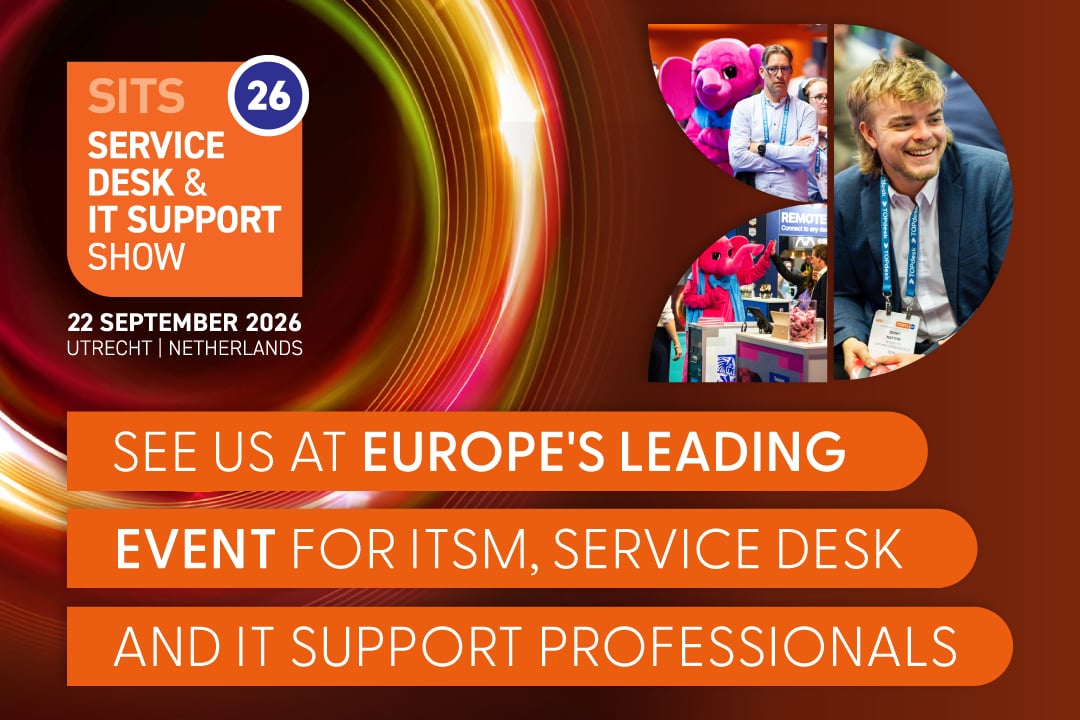
SITS 2026, Service Desk & IT Support Show, 22 September 2026 in Utrecht

Meet Pink Elephant at stand F3 on 22 September in Utrecht. Registration is free.